A Place of Safety
When I went to university I moved about 6 hours away from home, and lived in residence. University residence was never just a place to party, a roof over my head, or a convenient place to make friends in a new city.
University residence was my place of safety.
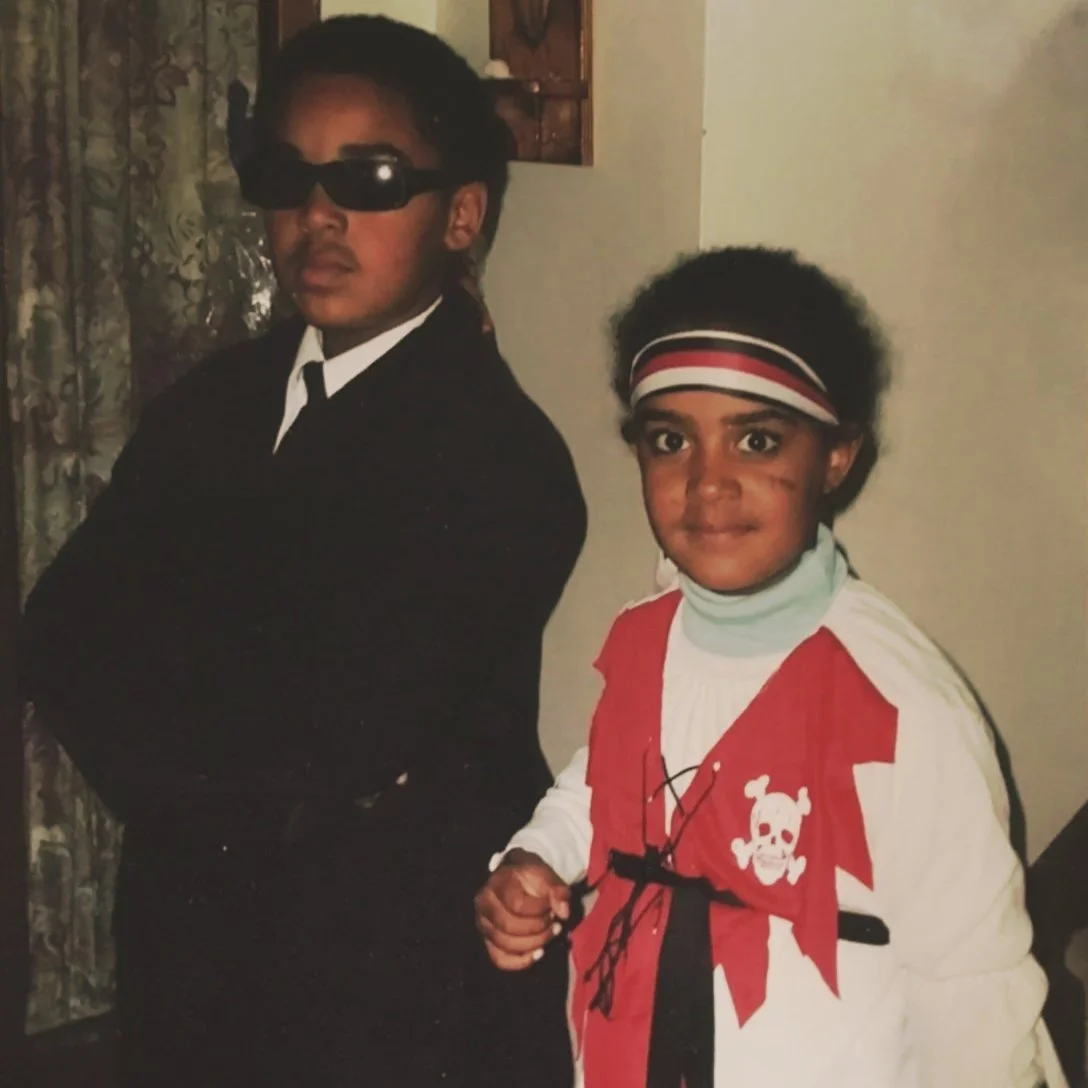
This is me in 2002 (no, I didn’t just dress like this - I was Men in Black for Halloween).
This kid has no idea what he’s doing with his life. He’s shy, awkward, very nervous, pretty depressed, and very grouchy - my very effective strategy to get people to leave me alone.
I did activities, played sports, lived a pretty typical life for a kid - I blended in.
I grew up in a home where there were very specific ideas about who I was, who I could be, and who I would become. There was never a time where I was unaware that it was not an option for me to be gay or queer.
I can’t really tell you when I first had a sneaking suspicion that I might be queer, but what I can tell you is that it took me a long time to get comfortable with it. To be fair, for me - the closet was glass.
Despite anyone’s best efforts, at times home was unsafe, it was often toxic, and I was miserable.
By 2010, I’m midway through high-school, and I had a one track mind - get good grades, move away to university, start fresh.
By 2013 I’m in university and living in residence.
My transition to university and living in residence was, and remains very meaningful to me. It was the very first time that I got to live in a place of absolute safety where I started to make new friends, be outgoing, talk more, and try to understand who I was all on my own.
Some of those friends became family, and remain that to this day. For me, I got to exist in this new space where I was just Lewis, with no enforced expectations.
On one of my first days in residence I heard the Peer Mentor on my floor (who is now a very dear friend) shouting down the hall that he was gay - he had just come out that summer.
That moment in the hallway - hearing him shout something I didn't yet have words for myself - stuck out to me, he was the first person I knew who openly spoke about being gay, and this started me developing my own understanding of self.
He was someone whose job, in part, was to make that floor feel safe enough for a person to shout something like that. And whether he knew it or not, at that moment he was one of the first gay people that I encountered as a young queer person who wasn’t carrying any of the baggage of 'home’.
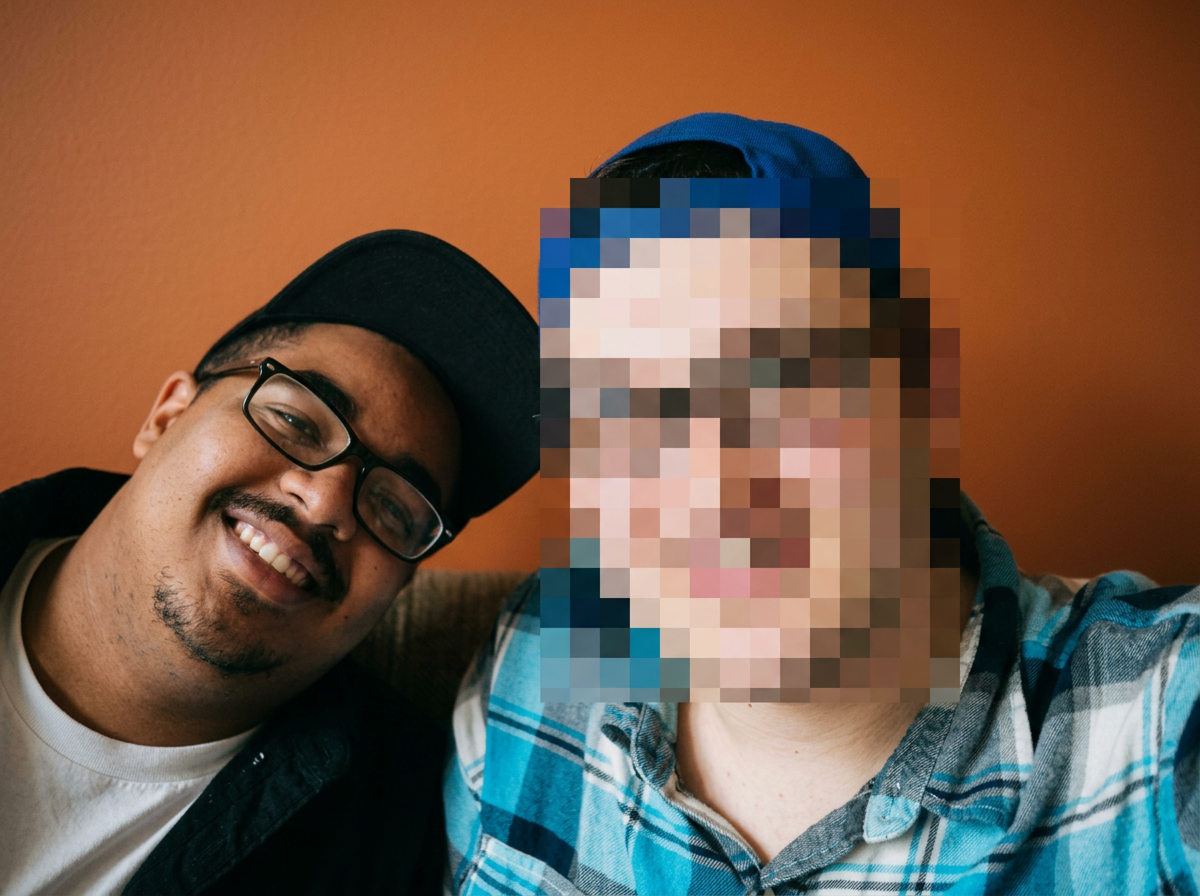
A lot of us come into our own identity sideways by accident through someone else’s courage before we find our own; I mean, I started to come into mine from a guy shouting down the hall.
Suddenly, I existed in a space where I could explore and develop new understanding about myself without fear of reprisal or punishment.
For the first time ever it felt like nothing was out of the question. That’s probably part of what kept me so attached to my university residence, where I continued to live and eventually work for years two through four of my undergraduate degree.
By my second year, something had shifted.
While in my head I had accepted that I certainly wasn’t straight, I was still questioning who I was.
I was still running the internal risk-assessment I used to run before every conversation, every new person, every room I walked into (the Queers know the one I’m talking about). But that questioning, and risk-assessment was far less distressing than it ever had been.
It took me years to have language for why that shift felt so important. What I've come to understand is that what changed wasn't just me. What changed was that I had, for the first time, real psychological safety - a base solid enough that I didn't have to spend energy bracing for impact anymore. That energy I used to spend managing how much of myself was safe to show? I started to get some of it back.
The very first person that I came out to was actually a Field Placement supervisor.
The topic of sexuality had come up, and I remember thinking to myself, “well, now’s the time to just say it out loud - don’t make a big deal”. I don’t think he knew at the time, but it was the very first time I ever said the words “I’m gay” out loud. If university residence hadn’t been my place of safety, if I never heard my friend shout “I’m gay” down the hall, I don’t know that I ever would have had the courage to say those words at all. Without the experiences that I had in residence in those 4 years of my undergraduate degree I know that I would not be where I am today, would not be the person that I am today, and would not do the work that I do.
It wasn’t always perfect - sure. But it was exactly what I needed it to be at the time.
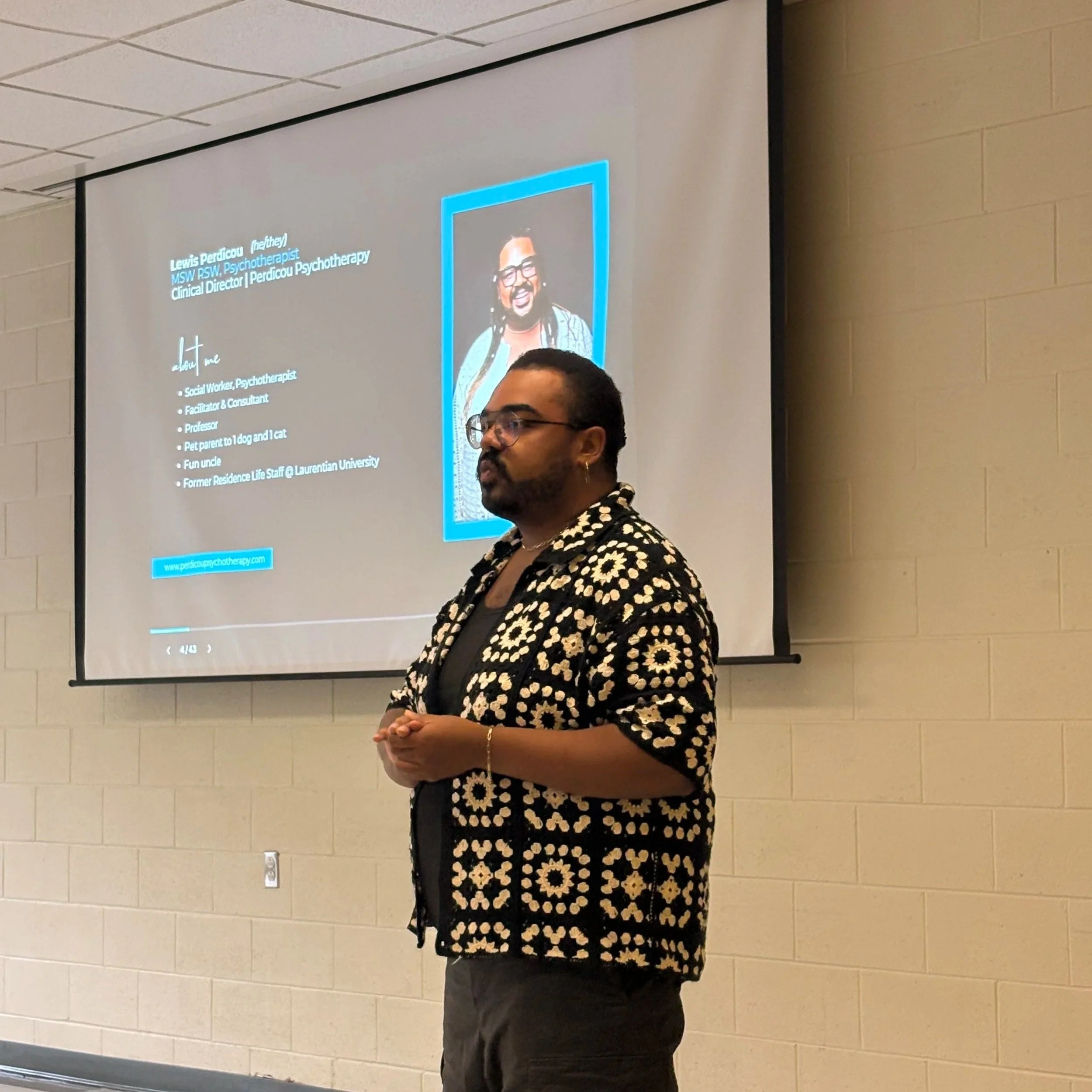
Now, knowing exactly who I am, I’m happy, confident, and unapologetically Queer. For a few years in a row now I’ve returned to my alma mater to deliver trainings to nursing students, student leaders, and residence staff about Queer identity and critical allyship.
This year, I included the story that I shared above when training the residence staff.
Not to make them feel like they need to have all the answers, or practice the perfect type of critical allyship, or fix everyone's story before they even share it. I didn't need someone who had it all figured out. I needed someone down the hall who was willing to be present, be open, and not flinch.
My ask to them? Just to try.
Try to be open, be inclusive, use language that honours and respects every person’s journey, and recognize that university residence might mean a whole lot more to people than that place to party, a roof, or convenient place to make new friends.
My second ask to this group in particular (I would be remiss if I didn’t talk about their own mental health) was to take care of themselves in the same way that they are being asked to take care of others. Notice when they’re running on empty. Ask for support instead of assuming that they have to hold it alone. Show up consistently - but that includes showing up for self, not just everyone else.
There’s a lot of emotional labour involved in creating a place of safety, even if you don’t know that you’re doing it. I will be forever grateful to the people who contributed to that place of both psychological and physical safety for me - whether they knew what they were doing or not.