Nervous System Dysregulation: Symptoms, Causes, and How Therapy Helps
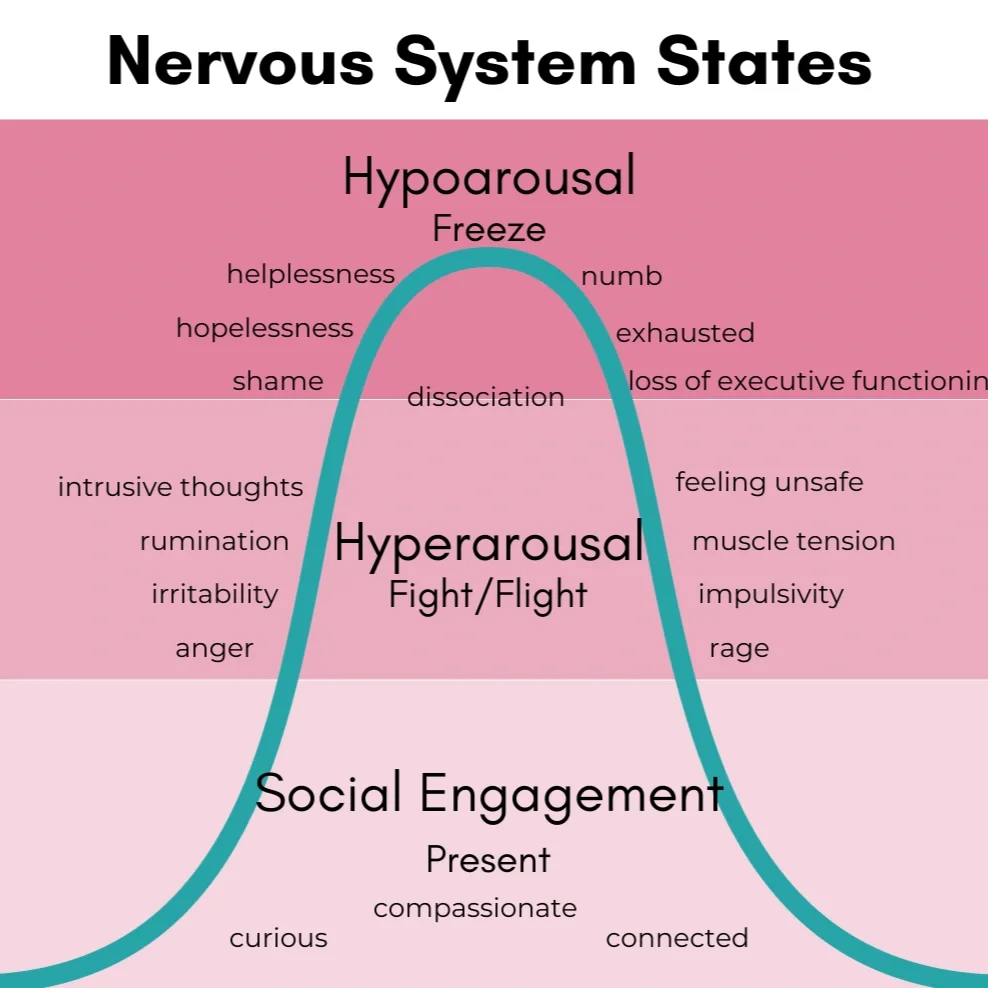
Nervous system dysregulation is a common but often misunderstood contributor to anxiety, burnout, and chronic stress. If you feel constantly on edge, emotionally reactive, exhausted, or shut down, your nervous system may be having difficulty returning to balance.
What Is Nervous System Dysregulation?
Nervous system dysregulation occurs when the autonomic nervous system struggles to move flexibly between activation (stress response) and recovery.
The autonomic nervous system has two key branches:
Sympathetic nervous system (fight or flight)
Parasympathetic nervous system (rest and digest)
In healthy regulation, the body responds to stress and then returns to baseline. With dysregulation, the body may remain chronically activated or shift into shutdown.
Symptoms of Nervous System Dysregulation
Symptoms vary, but often include:
Persistent anxiety or overthinking
Irritability
Panic symptoms
Difficulty relaxing
Sleep disruption
Emotional numbness
Fatigue that doesn’t improve with rest
Feeling disconnected from your body
While some some people experience constant activation (hyperarousal). Others experience shutdown (hypoarousal). Many move between both.
What Causes Nervous System Dysregulation?
Common causes include:
Chronic stress or workplace burnout
Trauma (acute or complex)
Ongoing relational conflict
Early attachment stress
Major life transitions
Prolonged emotional overwhelm
When stress becomes ongoing, the brain’s threat detection system stays active. Stress hormones like cortisol and adrenaline remain elevated, making it harder for the body to return to baseline. Over time, the nervous system can begin reacting to everyday situations as if they are threats.
How Therapy Helps
Therapy for nervous system dysregulation focuses on increasing flexibility and resilience in the stress response system.
Treatment may include:
Identifying stress patterns and triggers
Expanding the window of tolerance
Learning regulation skills
Processing trauma or unresolved stress
Strengthening internal and relational safety
The goal is not to eliminate stress completely. It is to improve your ability to respond proportionately and recover more efficiently. Nervous system dysregulation is treatable, and the brain and body can change.
If you’re experiencing symptoms of nervous system dysregulation, therapy can help you understand what’s happening and build tools to feel more regulated.
We offer virtual therapy for adults in Ontario and select other Canadian provinces. Book a free consultation with one of our therapists here.

You don’t have to navigate nervous system recovery alone.
With us, clients find a space that is warm, collaborative, culturally responsive, and grounded in real, lived understanding.
Our approaches both integrate top-down strategies (cognition, insight, narrative work) and bottom-up practices (somatic awareness, nervous system regulation): meeting clients where they are and supporting their whole selves.
Learn more about working with us here.
-Lewis & Genna, The Perdicou Psychotherapy Team